The Human Variability Project
There is no human B.
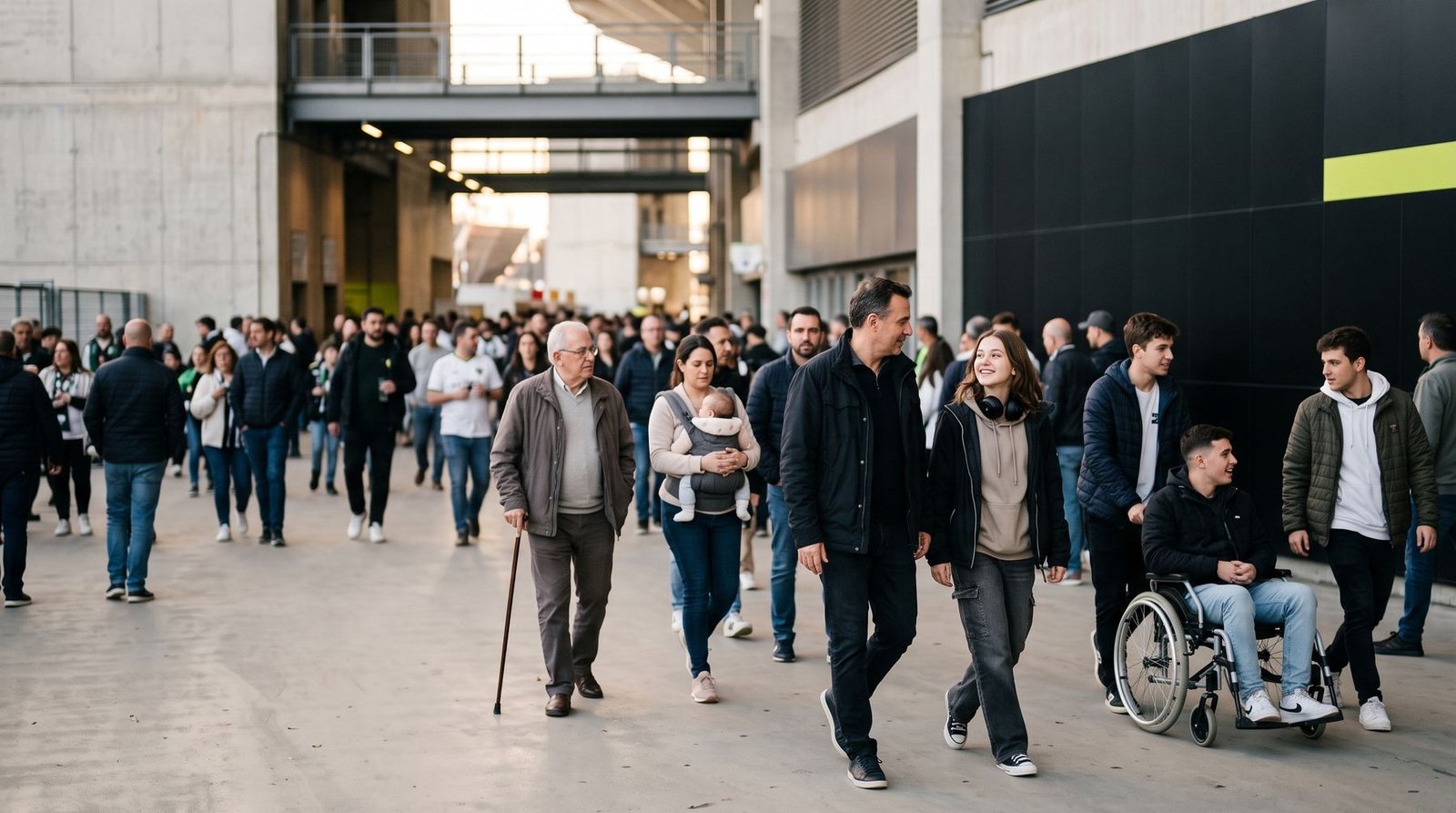
There are environments that leave people out. We help schools, stadiums, restaurants and cities prepare for human variability.
Born of indignation
- At a world that asks people to adapt to spaces, when it is spaces that should adapt to people.
- At the idea that there is an average kind of person, whom society accepts as the right one, and another, whom it ignores or sets aside.
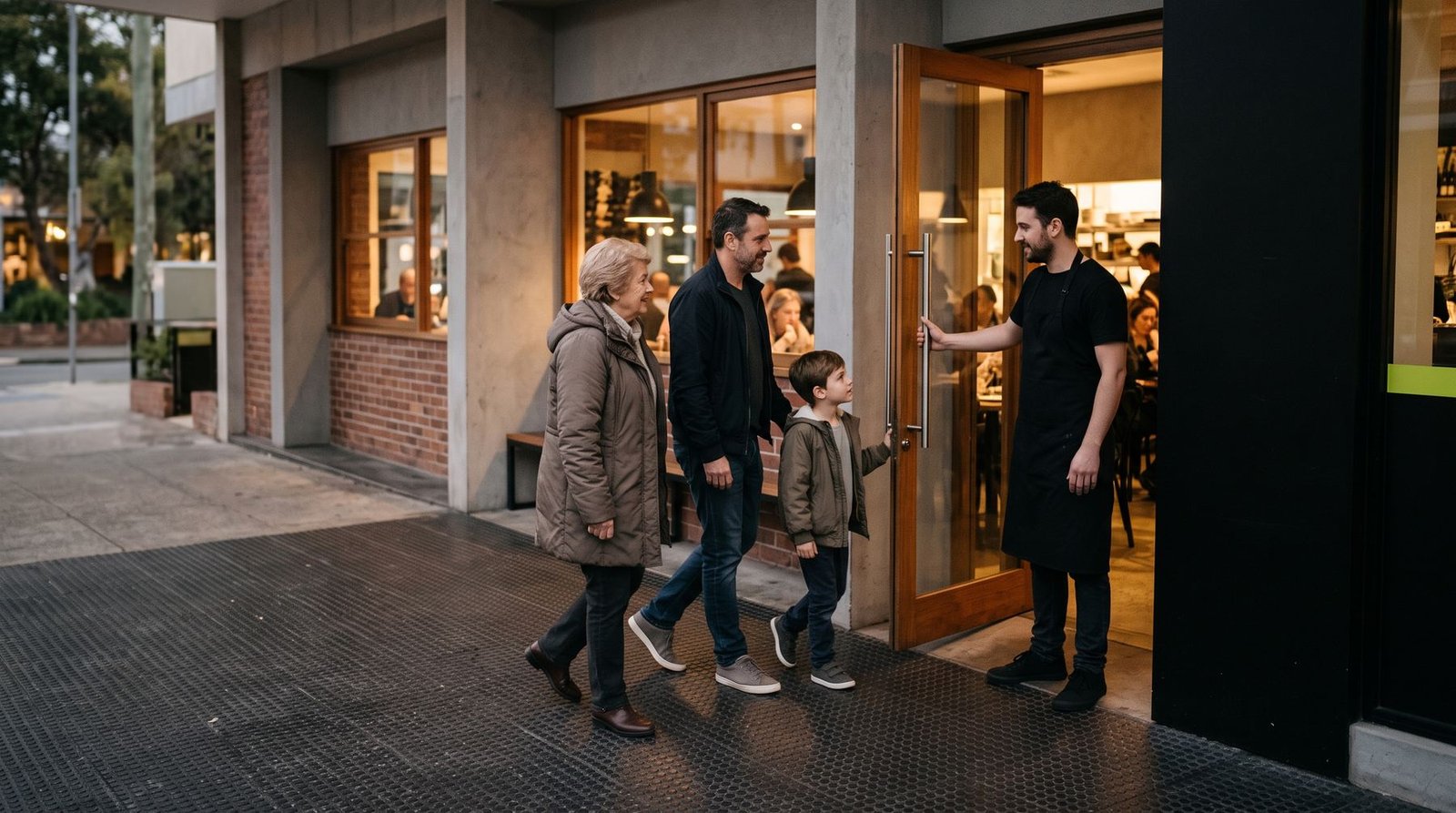
- That there are families who stop going out, travelling, going to a match or a restaurant, because the world outside was not designed with them in mind.
But indignation is only worth something when it becomes a movement.
The thesis
Adapt the environment, not the person.
The environment stops being a constant. The person stops being the variable to correct.
The pattern we reject
- Crisis
- Remove
- Regulate
- Return
The pattern we design
- Understand
- Adapt
- Take part
- Learn
What we do
Four fronts. One transformation.
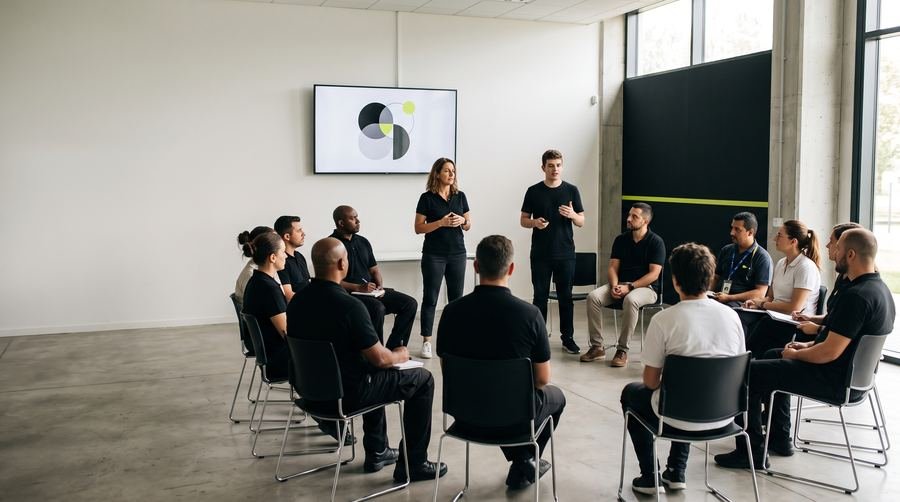
People
Equipped to welcome.
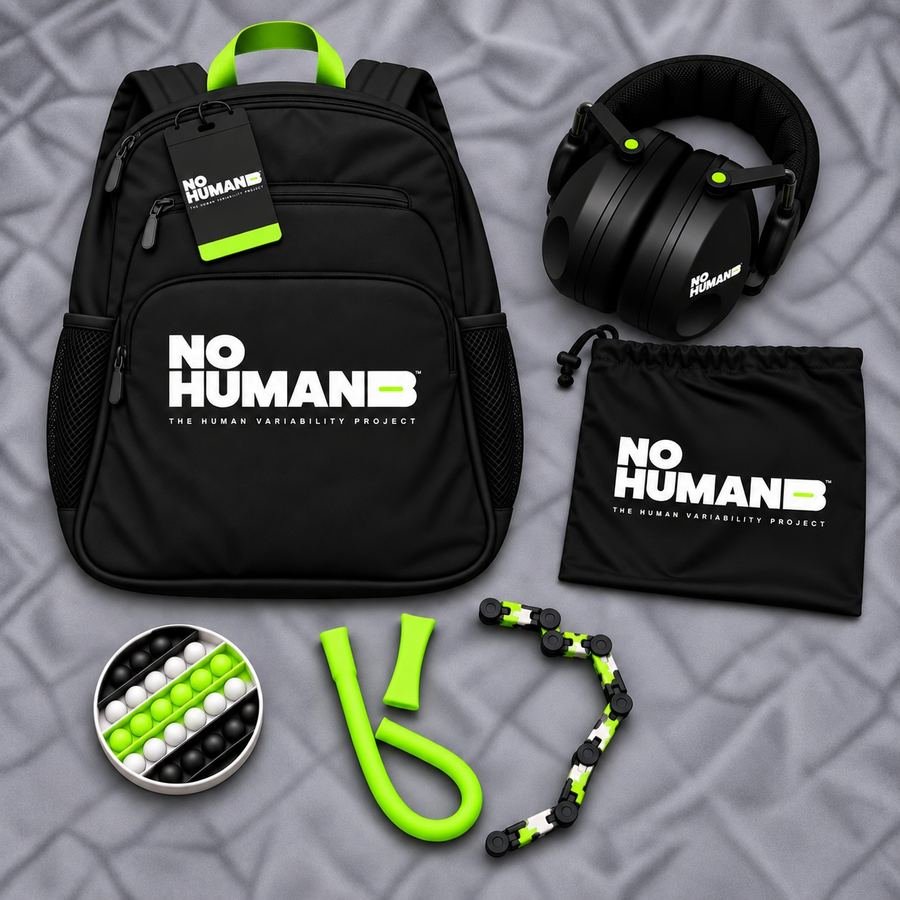
Tools
Available to anyone who wants them.
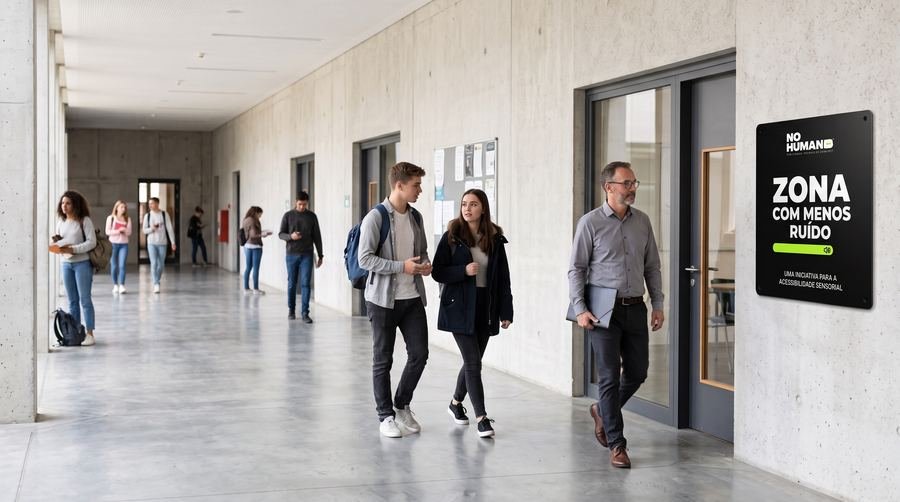
Spaces
Signposted and easy to read.
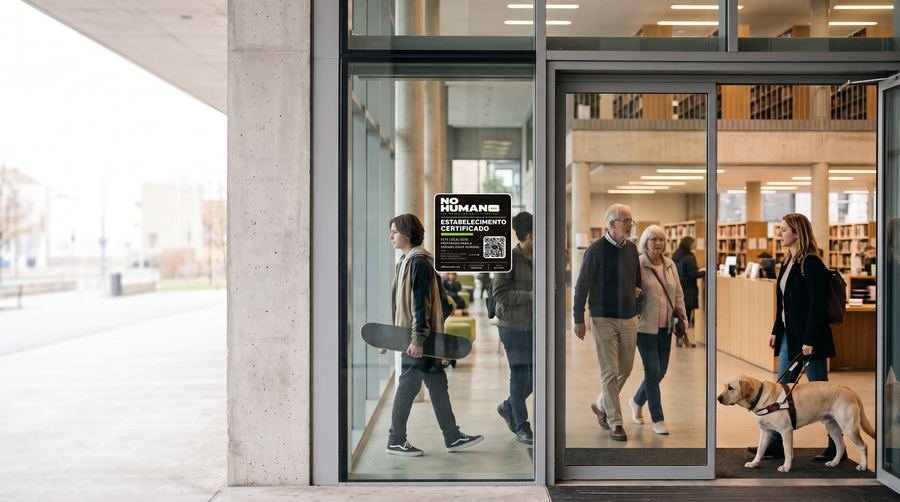
Places
Certified, visible to the community.
The pathway
A pyramid that starts with people.
Before equipping, signposting or building, those who welcome, decide and share the space need to understand the cause. We start at the base: widest reach, lowest cost, quick results.
No stage skips the one before.
- 1 · JoiningA commitment to human variability
- 2 · TrainingThe most people, in the least time
- 3 · EquipNURA Kit for anyone who wants it
- 4 · PrepareSignage, advance information and adjustments
- 5 · CertifyPublic proof of the transformation
- 6 · New spacesNURA Base · Phase 2, in development
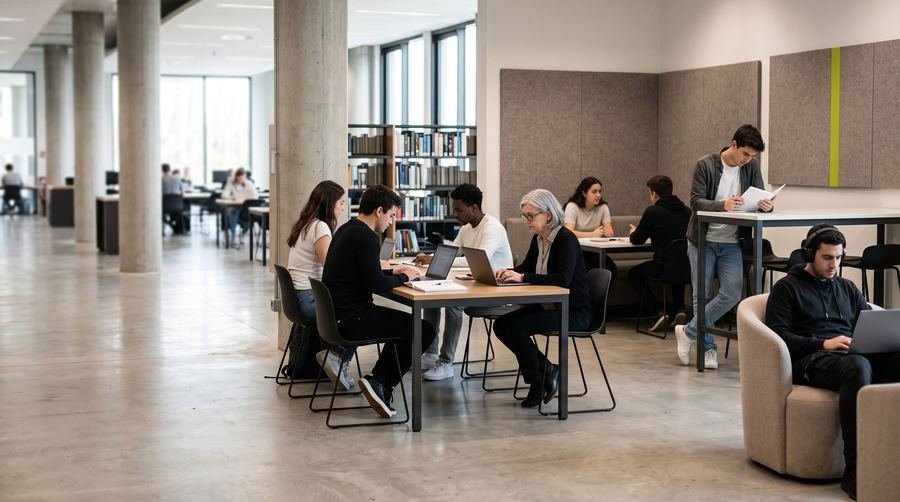
Who it is for
For every place where life happens.
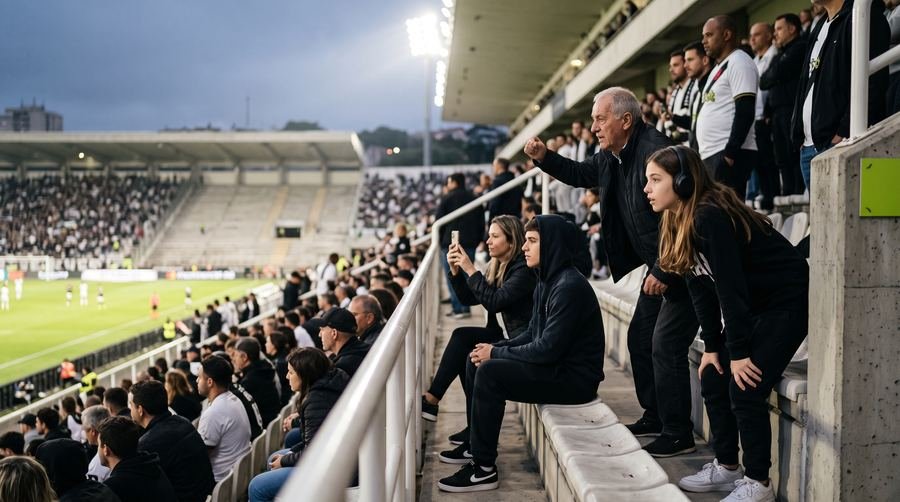
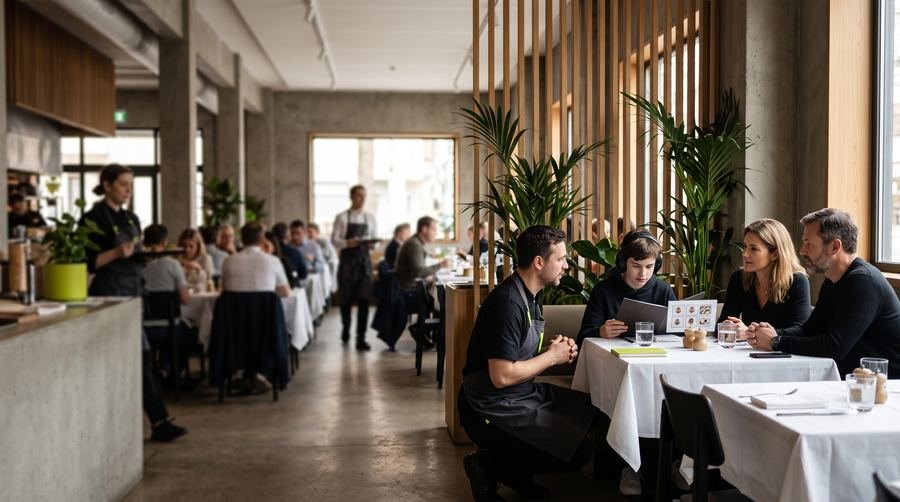
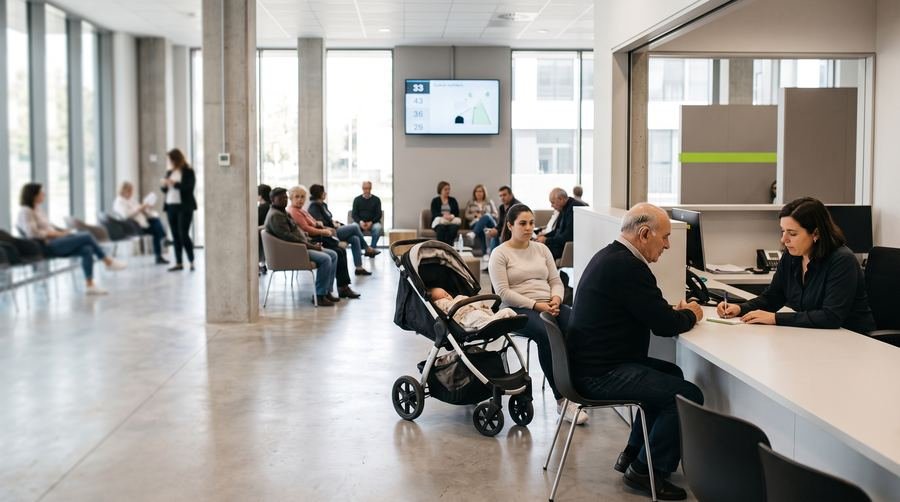
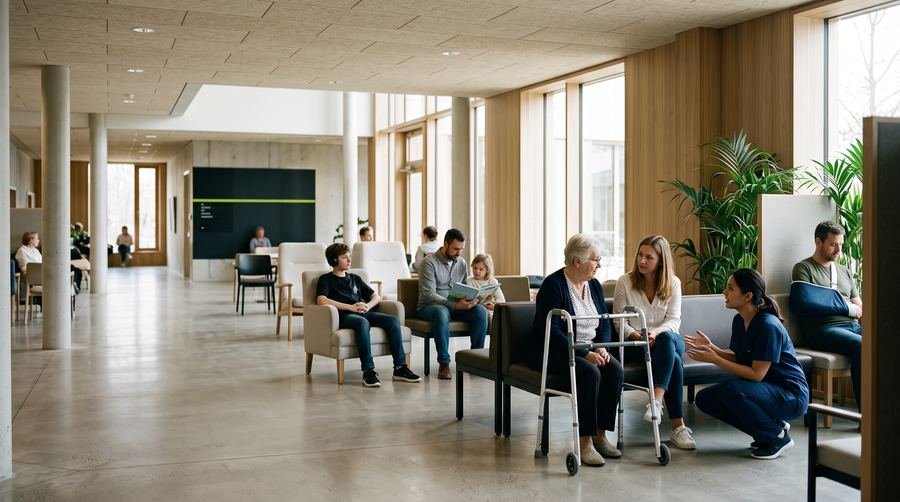
What the organisation gains
A new capability, visible and tangible.
Public recognition
Visibility as a member organisation and, once verified, as a certified place: a clear signal for anyone choosing where to study, watch a match or eat out.
Measurable impact
Indicators of autonomy, participation and improvements carried into the shared environment. We measure the world people can choose again.
Speed
Most of the transformation happens without building work: training, tools, signage and low-cost adjustments.
For people and families
Take the cause to the places you go.
Your children’s school, the club, your workplace. Every person who joins makes it easier for a place to decide to change.
- Sign the Manifesto.
- Take the NO HUMAN B online awareness course.
- Nominate a place you would like to see prepared.
Who we are
Three educators. Over 30 years each. A meeting in Spain.
We have devoted our lives to teaching. That meeting gave rise to NO HUMAN B: a movement that turns lack of awareness into awareness, and awareness into environments prepared for human variability.
Let us be happy.Each in our own way.Each in our own time.