Stage 4 · NO HUMAN B Information
In a space that is easy to read, fewer people need to ask for help.
And asking is easy. Most of the transformation happens without building work: existing spaces become easier to read, more predictable and more welcoming.
Before arrival
What the person will find, what options exist and how to ask for them: quieter times, routes, predictable noise, visual stories.
Signage
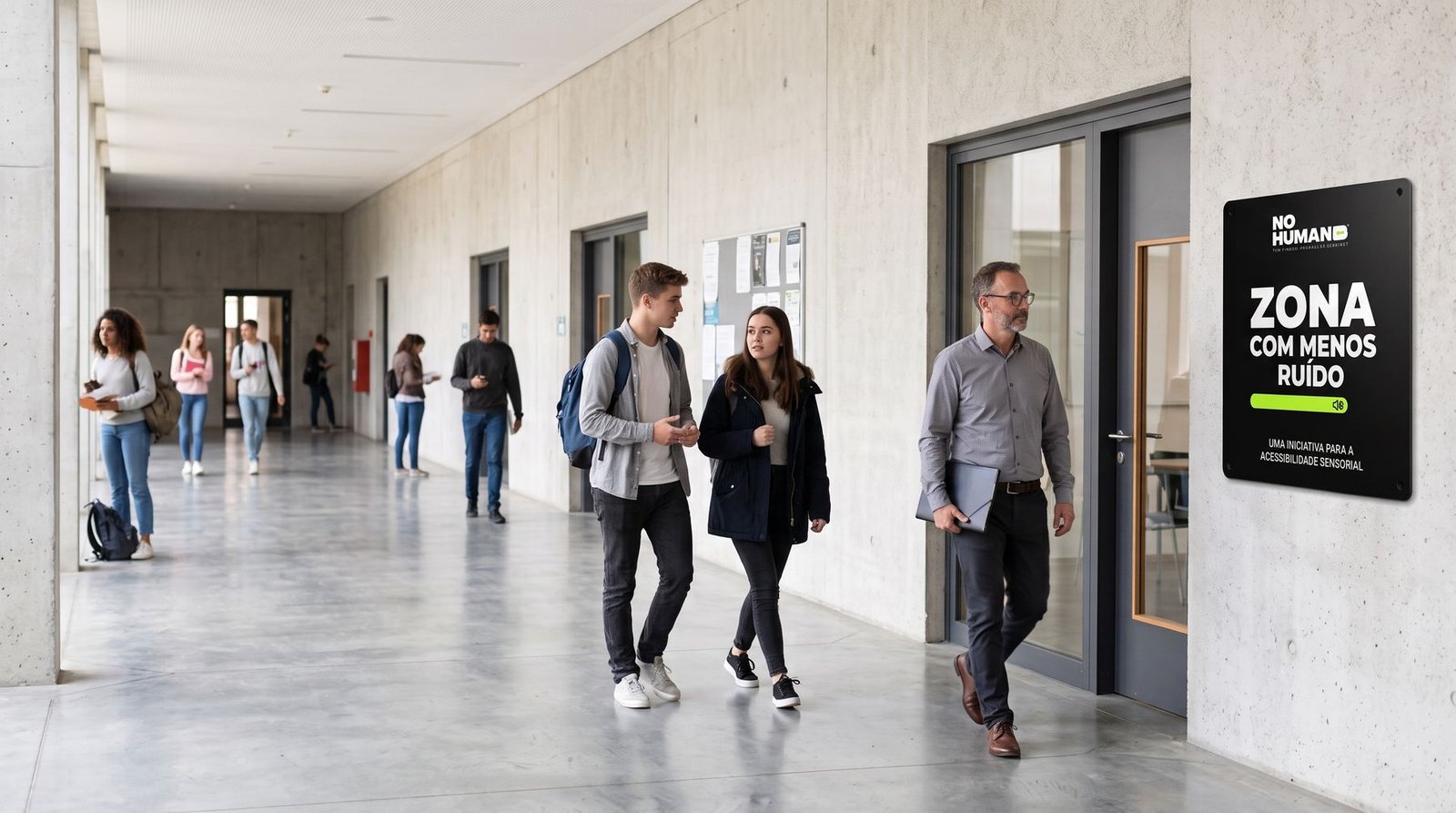
Pictograms, contrast, plain language and information in more than one form. Signs for everyone, never ‘autism zones’.
Sensory map
Busier and quieter areas, rest points, NURA Kit points, exits and facilities.
Low-cost adjustments
Light, sound, seating, queues, waiting times and small pause areas built into the shared space.
Identity
The NO HUMAN B sign on site: ‘you are welcome here too’. A message of welcome, never a label on whoever arrives.
Space assessment
Trained teams help spot the barriers. We turn them into a plan of adjustments.
NO HUMAN B signage
As natural as an exit sign.
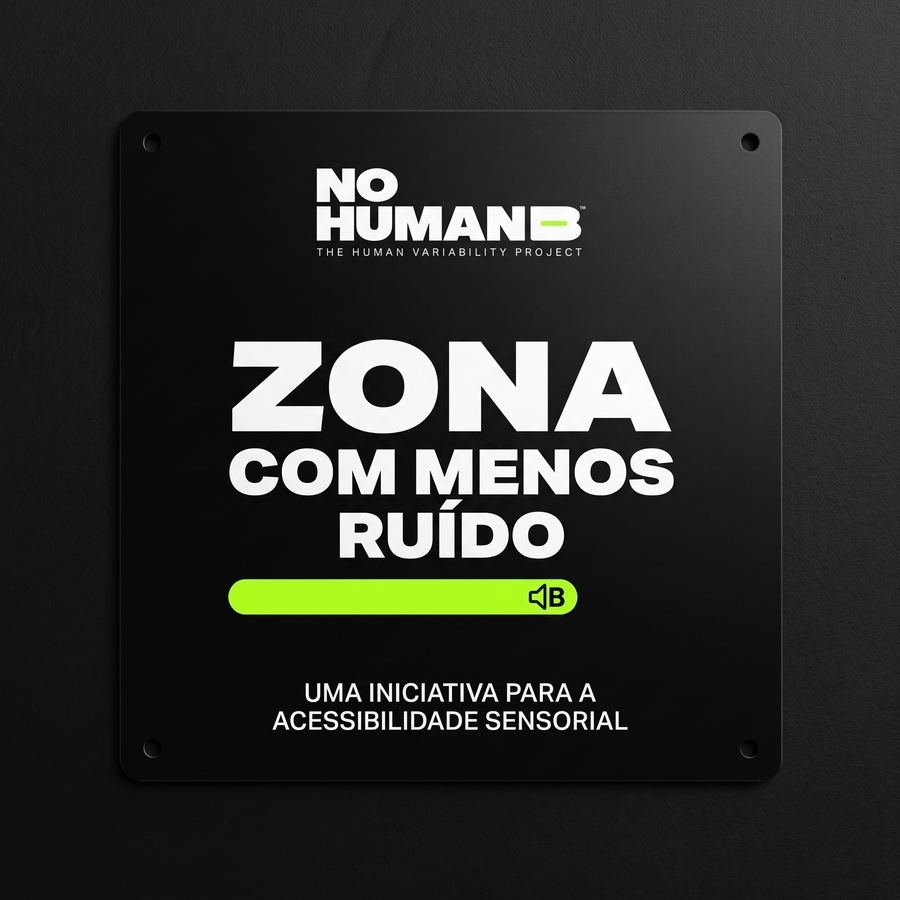
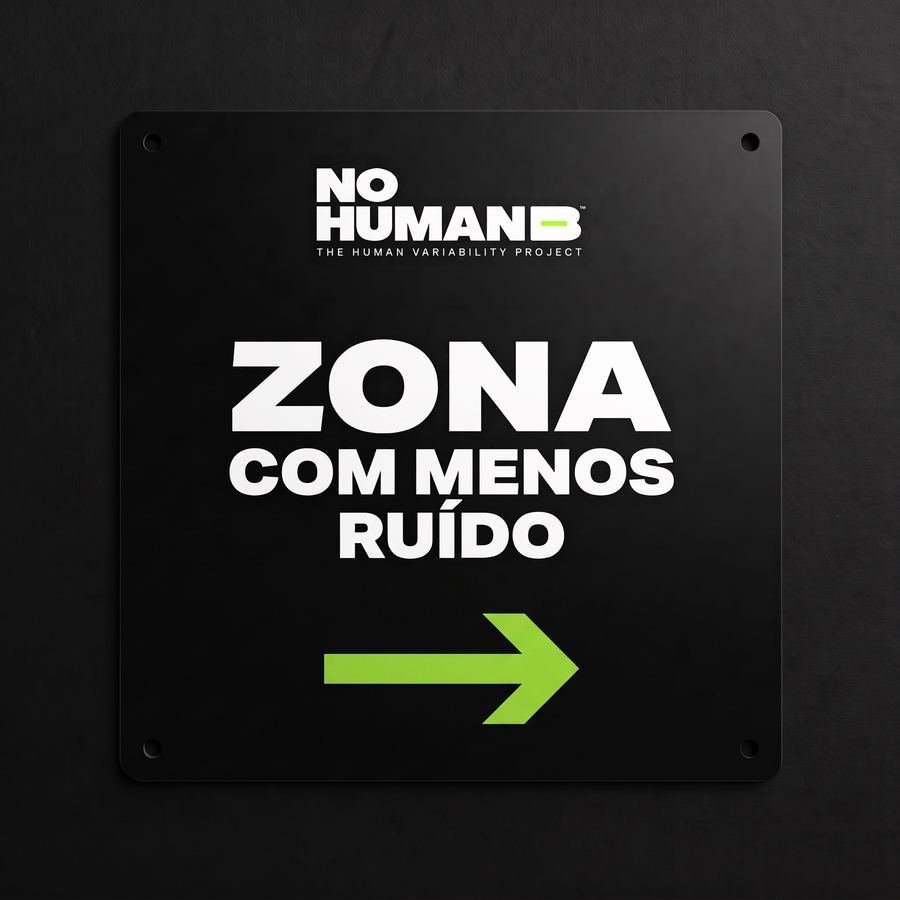
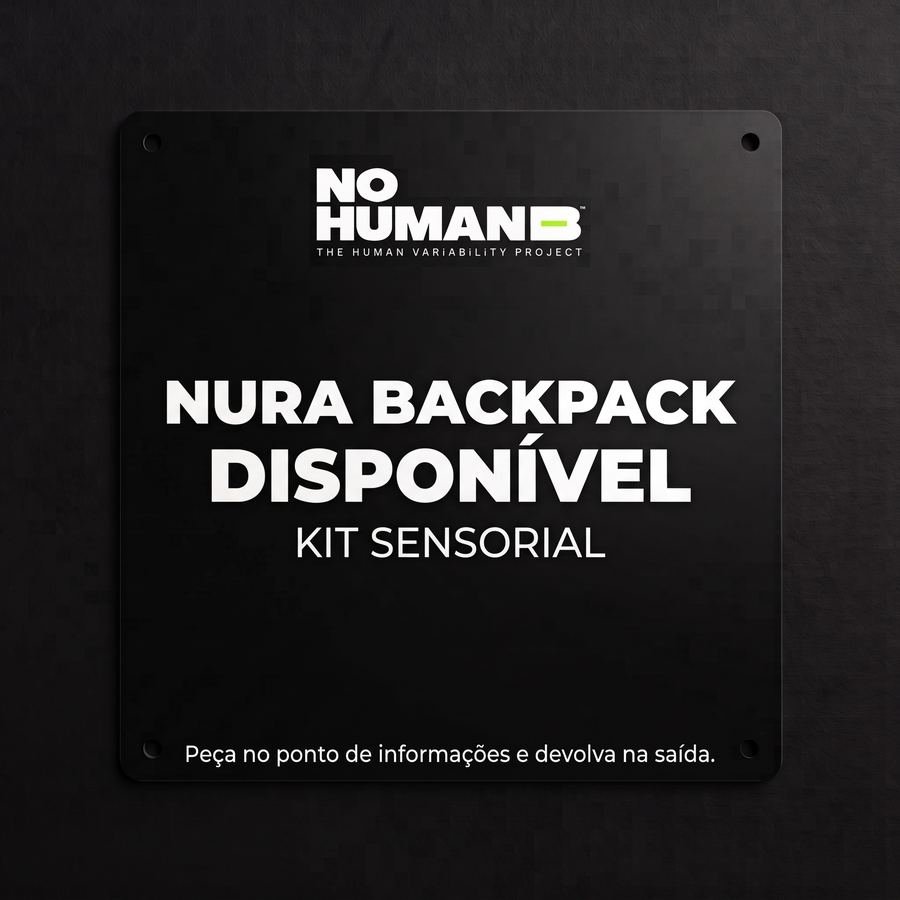
Signs are produced in the language of each venue.
Start with what you already have.
We assess your space and propose the adjustments.